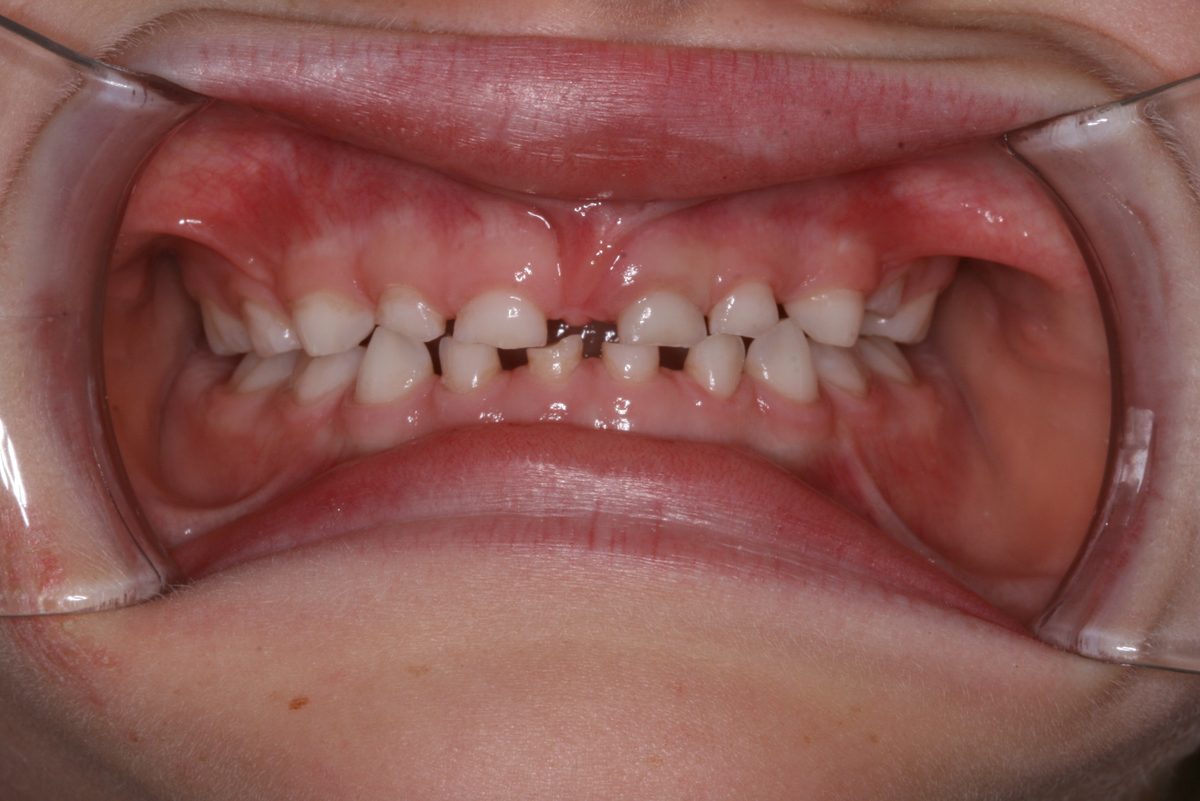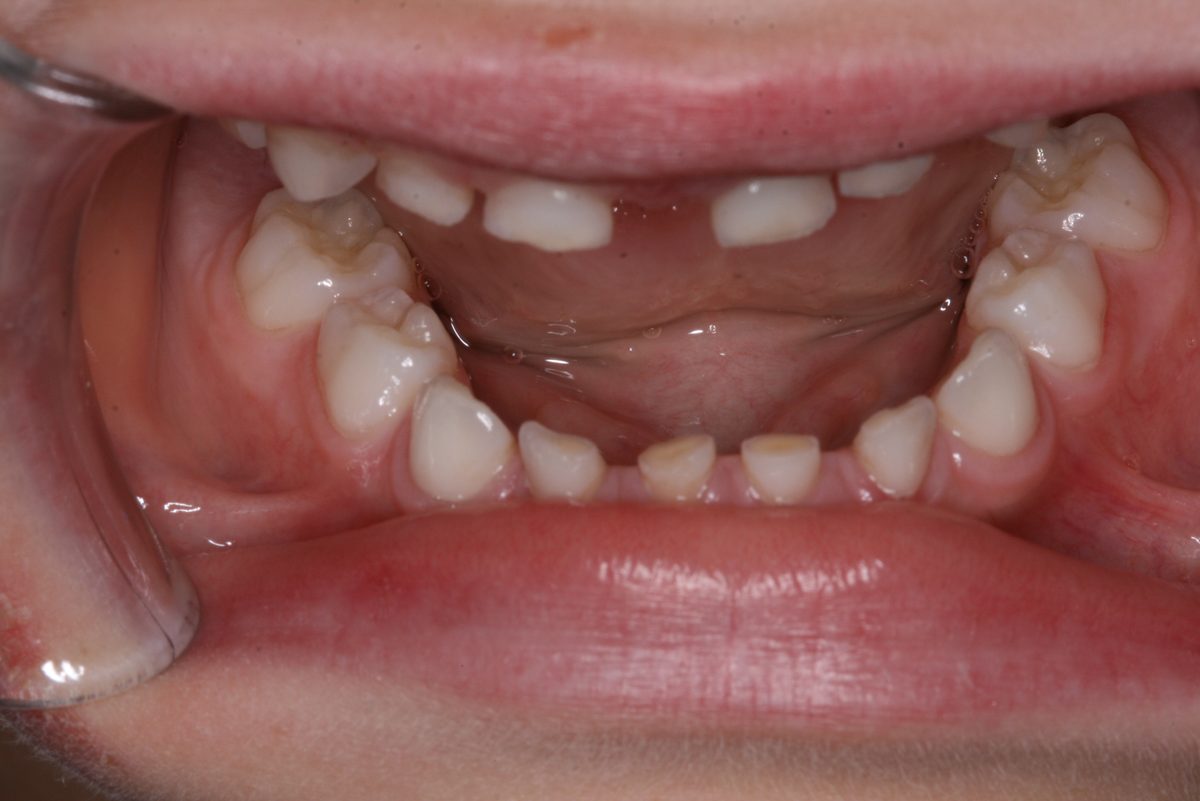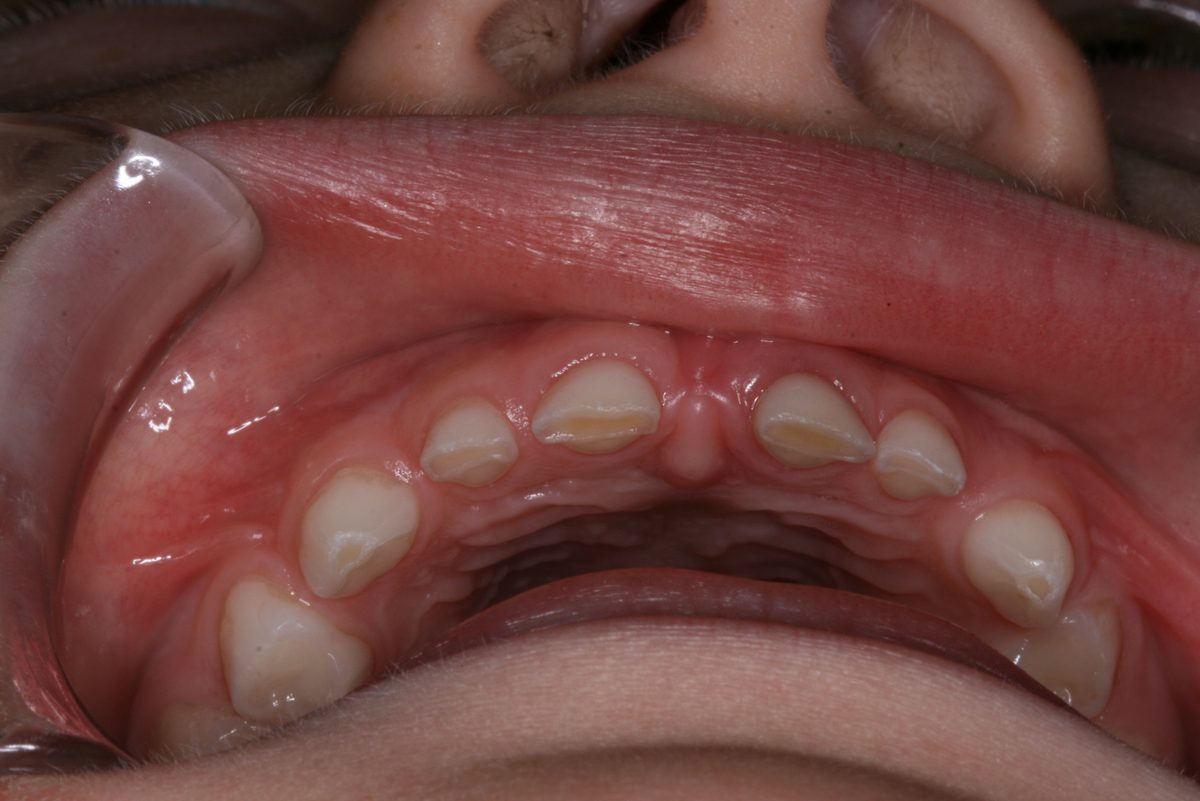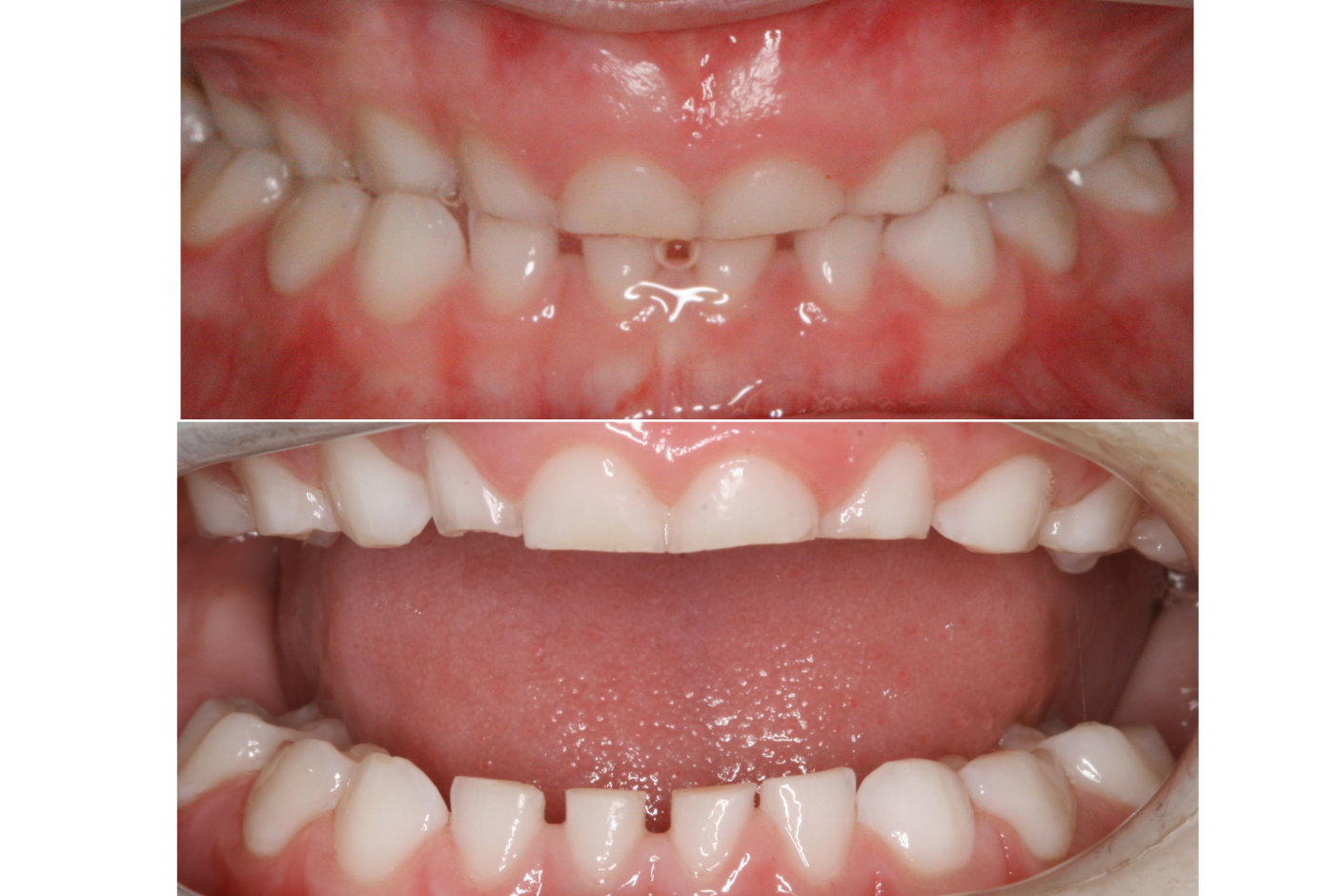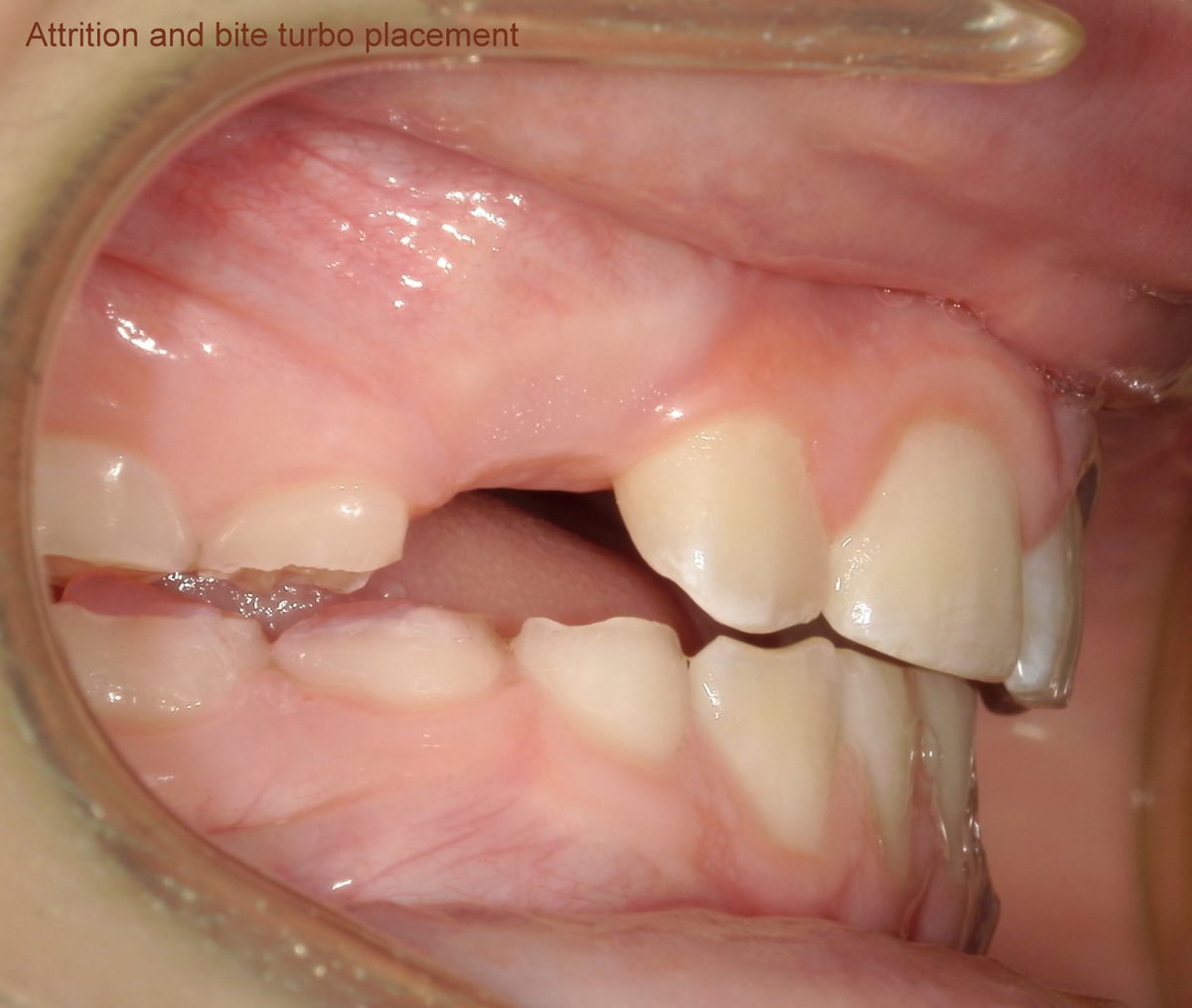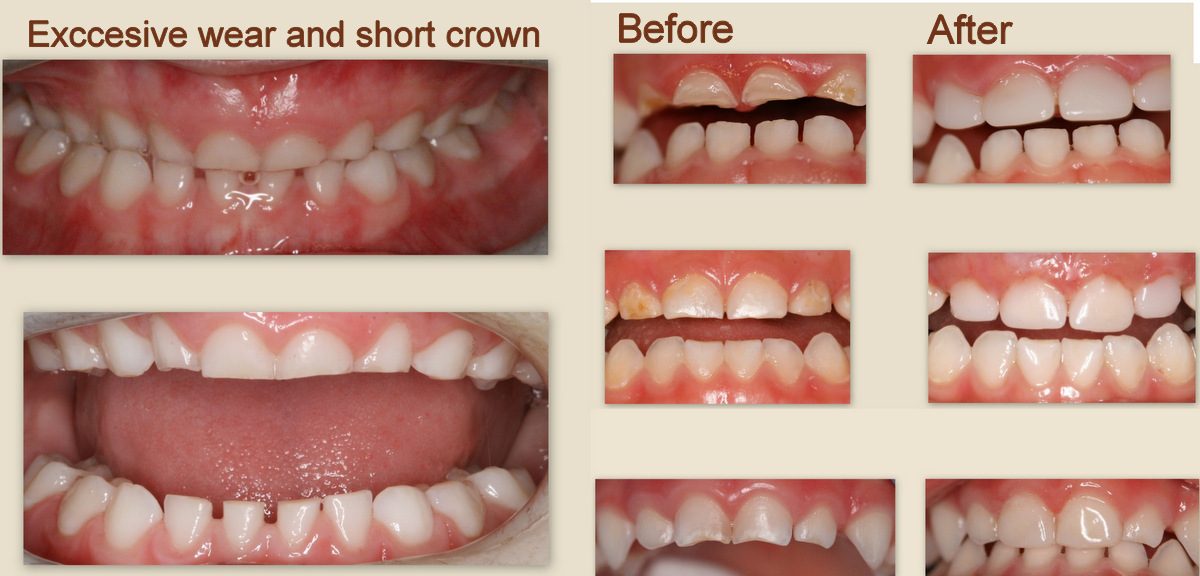
Teeth grinding in children sometimes becomes a major concern for parents. They often say, "We can hear them grinding from all the way down the hallway," or "It sounds like fingernails scratching a chalkboard." The underlying cause can be bite interferences, such as crossbite, deep bite, or stress-related issues in a child's daily life. According to pediatric health data, teeth grinding affects between 14% and 20% of children under the age of 11.
The good news is that this habit often decreases or stops entirely when the 6-year permanent molars erupt. In most cases, the minor wear and tear resulting from grinding does not require restoration. However, an intervention or restoration becomes necessary if the amount of attrition becomes severe, or due to several specific clinical reasons:
- A deep wear facet may form and trap food debris, increasing plaque risk.
- Grinding may expose the tooth's inner layer (dentin), leading to sensitivity or an increased risk of decay.
- It may be done simply to improve the appearance of severely shortened teeth.
When an intervention is needed, a conventional night guard is rarely the right solution for young children due to three main reasons:
- The growing nature of primary or mixed dentition: Guarding teeth during active development can disrupt natural eruption and jaw growth.
- Breakage from severe habits: Intense grinding forces can easily damage or break traditional appliances.
- The need for child cooperation: Getting a young child to consistently wear a removable plastic guard all night is an ongoing struggle for parents.
Instead, an excellent alternative intervention we find highly helpful for our pediatric patients is a single-step bonding to the primary molar surface. These composite bite turbos offer several distinct advantages:
- They are easy to apply and well-tolerated by young children.
- They have a gentle impact and will not wear down opposing tooth structure.
- Dentists can easily remove them whenever needed.
The clinical improvement comes from reduced bite interference and relief from tension caused by tight muscle activity. It's also important to address the trigger, such as a stressful school year or a recent change at home. To restore damage, we sometimes perform composite crown restorations. Ultimately, the goal is healthy function, a happy smile, and to preserve valuable tooth structure before it affects permanent teeth.